
Brand & Distributor Insights: Navigating the Salon Retail Shift
While traditional in-salon retail performance faces pressure from stretched appointment intervals and shifting consumer habits, the broader professional beauty market continues to expand. Brands and distributors can capture this growth by equipping salon partners with turnkey e-commerce solutions, targeted category education, and automated digital marketing tools. These strategies bridge the gap between in-salon expertise and digital convenience, empowering professionals to reclaim lost revenue and secure long-term success.
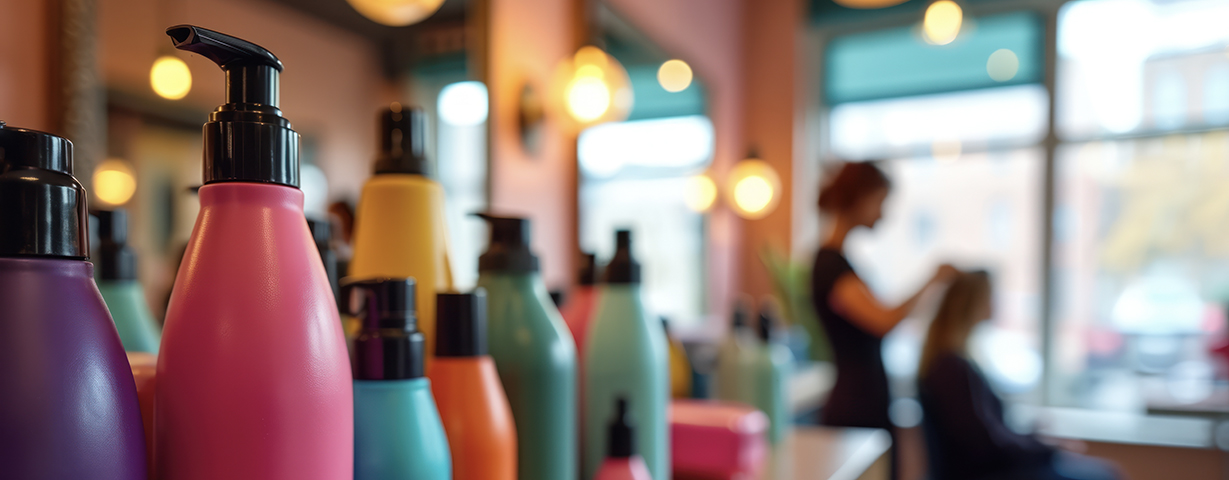
A recent Salon Today article titled What’s Really Happening with Salon Retail and How to Reclaim Your Revenue by Alain Audet, VP of Sales and Marketing at SalonInteractive, highlights a critical inflection point in the professional beauty industry. While top-line salon revenue appears steady or slightly higher, this growth is largely driven by service price increases. Beneath the surface, traditional in-salon retail performance and client visit frequency (appointment drift) are facing unprecedented pressure.
For professional hair care brands and distributors, understanding these shifting dynamics is essential to protect market share, support salon partners, and capture omnichannel growth.
The Market Reality Check: Key Data Points & Drivers
- Declining In-Salon Retail Share: In-salon retail sales fell nearly 4% to 5% year-over-year, contributing to a cumulative 20% loss in salon retail market share over the past decade.
- Volume and Unit Losses: Retail units sold within salons dropped by 7.48%, representing an estimated loss of over $102 million in retail revenue across the industry (~5.2 million products) as clients shifted their purchases elsewhere.
- Appointment Drift & The Reorder Deficit: Average service tickets sit between $87 and $90+, but client visit intervals are stretching from 6 weeks out to 8 or 9 weeks. As appointment gaps widen, clients exhaust their home care products and reorder online from non-salon channels or mass e-commerce platforms.
- The Omnichannel Beauty Expansion: Despite in-salon declines, the global professional beauty market is projected to reach $56 billion by 2032, with online beauty sales expanding in double digits. Consumer demand for professional hair care remains high; consumers have simply altered where and how they shop.
Strategic Takeaways & Action Plans for Brands & Distributors
1. Enable Omnichannel & E-Commerce Solutions for Salon Partners
- The Shift: Clients are seeking convenience and online accessibility. Traditional brick-and-mortar salon inventory constraints often lead to lost sales when clients run out of product between visits.
- Brand/Distributor Action: Partner with digital retail platforms like SalonInteractive to give salons access to turnkey online stores featuring 500+ pro beauty brands with direct shipping. This eliminates salon inventory risk and floor-space limitations while keeping client reorders tied to the professional network rather than mass retailers.
2. Capitalize on High-Growth Category Demand
Data from The KIM Report underscores specific service and product segments experiencing real growth:
- Color Care Maintenance: With color revenue growing nearly 2% year-over-year, premium color services present a direct cross-selling opportunity for dedicated at-home color preservation routines.
- Scalp Health Boom: Scalp detox treatments, clarifying rinses, exfoliating scrubs, and nourishing serums represent one of the fastest-growing categories in hair care.
- Texture & Curl Care: As clients embrace natural waves and curls, there is elevated demand for moisturizing treatments, leave-in conditioners, and curl-enhancing regimens.
- Brand/Distributor Action: Align product development, promotional campaigns, and educational materials around these high-margin, trending categories.
3. Remove Friction with Automated “On Behalf Marketing” & Digital Recommendations
- The Challenge: Many stylists feel uncomfortable with direct “selling” or struggle to execute consistent marketing routines.
- Brand/Distributor Action: Support programs like On Behalf Marketing, where automated, co-branded marketing campaigns are sent to clients on the salon’s behalf. Equip stylists with digital product recommendation features that send pre-loaded carts directly to clients for effortless follow-up purchases.
4. Provide Turnkey Merchandising & Seasonal Packaging
- The Opportunity: Merchandising transforms retail spaces from passive inventory shelves into interactive shopping experiences.
- Brand/Distributor Action: Supply salon partners with brand tent cards, shelf-talkers, organized visual display templates, and curated holiday/seasonal gift bundles. Bundling complementary products increases average order value without eroding margins through discounting.
5. Reinforce Stylist Authority as the Ultimate Differentiator
- The Advantage: Neither big-box algorithms nor mass e-commerce platforms can replicate the personalized trust, diagnostic expertise, and relationship of a professional stylist.
- Brand/Distributor Action: Invest in stylist product education that focuses on client consultation techniques, teaching stylists how to incorporate product touch, feel, and home-care recreation during the service experience.
Conclusion
The shift in salon retail is not a decline in consumer demand, but a migration toward convenience and digital integration. By equipping salons with e-commerce options, targeted category education, and automated marketing tools, brands and distributors can build a resilient, modern distribution strategy that captures revenue both inside and beyond the salon chair.

